


Cart
0
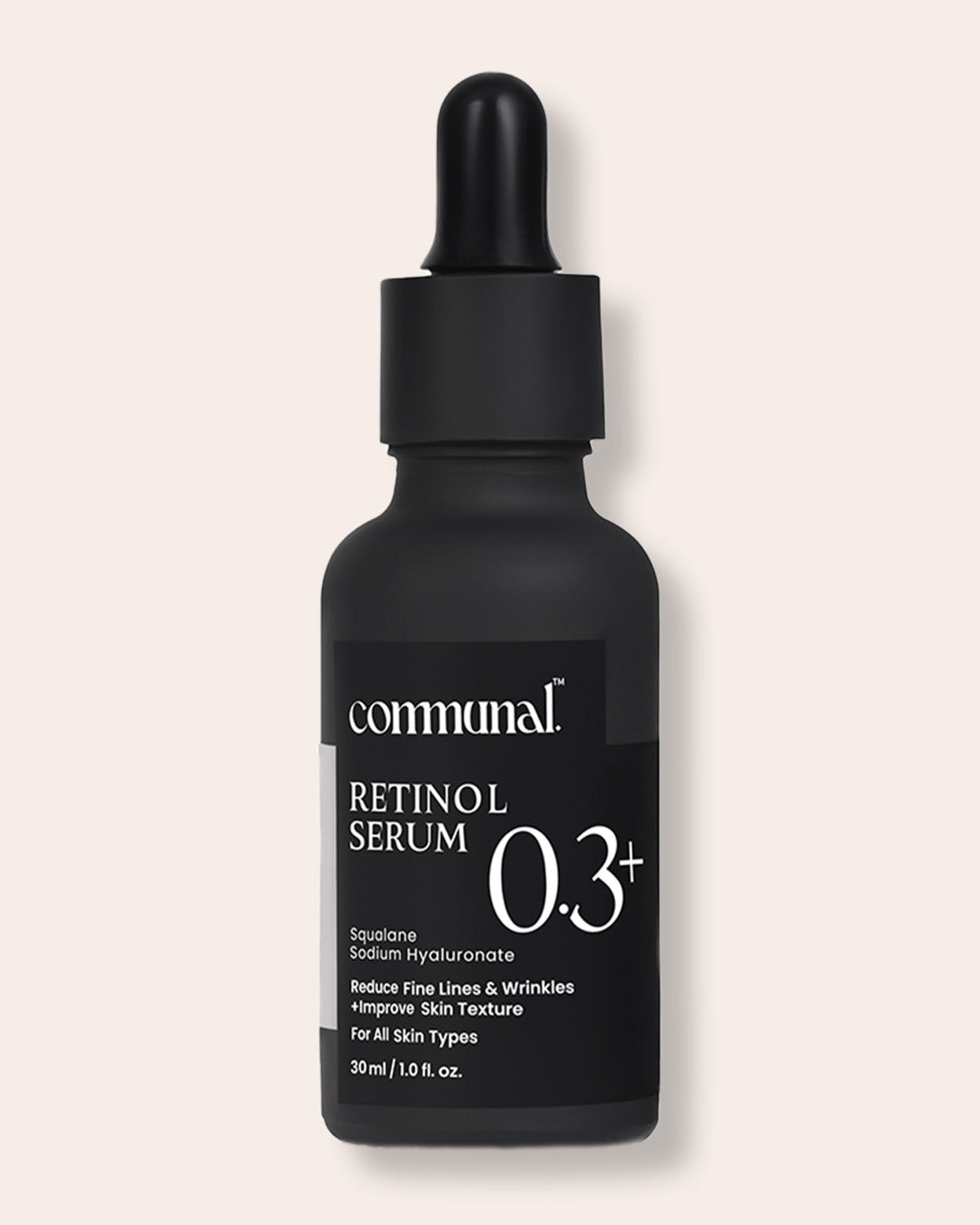
Retinol is one of the most researched and discussed ingredients in skincare. Dermatologists across the world have studied it for decades, not because it creates instant glow, but because of how deeply it influences skin behavior over time. Unlike many trending ingredients, retinol is backed by science, consistency, and long term results.
Understanding retinol properly helps avoid fear, misuse, and unrealistic expectations.
What Exactly Is Retinol
Retinol is a derivative of Vitamin A. Once applied to the skin, it converts into retinoic acid, which communicates with skin cells and influences how they function. This communication helps skin renew itself in a more organized and efficient way.
Instead of working on the surface, retinol works at a cellular level.
Why Skin Cell Turnover Matters
Healthy skin naturally sheds old cells and replaces them with new ones. With age, stress, sun exposure, and pollution, this process slows down. When cell turnover becomes irregular, skin can look dull, uneven, congested, and textured.
Retinol helps normalize this cycle by encouraging faster and healthier cell renewal.
How Retinol Supports Skin Over Time
Retinol is often associated with anti-aging, but its role goes beyond that.
It helps with:
-
Improving skin texture
-
Reducing the appearance of fine lines
-
Supporting collagen production
-
Minimizing clogged pores
-
Improving uneven skin tone
-
Supporting clearer skin
These changes occur gradually as skin adapts to retinol.
Why Retinol Requires Patience
Retinol does not work overnight. In the initial phase, skin may experience dryness, mild peeling, or sensitivity. This phase is often referred to as skin adjustment.
This is not damage. It is the skin learning to function differently. With proper usage and hydration, skin usually adapts within a few weeks.
Common Mistakes People Make With Retinol
Many negative experiences with retinol come from incorrect usage.
Common mistakes include:
-
Using too much too soon
-
Applying it daily from the beginning
-
Skipping moisturizer
-
Not using sunscreen
-
Combining it with too many actives
Retinol works best when introduced slowly and thoughtfully.
How to Introduce Retinol Into a Skincare Routine
A gentle approach makes all the difference.
Begin by:
-
Using retinol only at night
-
Applying it two to three times a week
-
Using a pea sized amount
-
Following with a nourishing moisturizer
As skin builds tolerance, frequency can be increased gradually.
Why Sunscreen Is Non Negotiable With Retinol
Retinol increases skin sensitivity to sunlight. Without sun protection, the benefits of retinol can be reversed by sun damage.
Daily sunscreen use is essential to protect the skin and support the work retinol is doing beneath the surface.
Who Should Consider Using Retinol
Retinol is suitable for people dealing with:
-
Early signs of aging
-
Uneven texture
-
Acne prone skin
-
Congestion and clogged pores
-
Sun induced damage
However, sensitive skin types should approach it slowly and with caution.
What Results Look Like Over Time
Retinol results are subtle and progressive.
In the early weeks, skin may feel smoother. Over a few months, texture becomes more refined, pores appear clearer, and skin tone looks more even. With consistent use, skin appears stronger and more resilient.
These are structural improvements, not temporary effects.
Why Retinol Remains Relevant Despite New Ingredients
Skincare trends change often, but retinol remains relevant because it addresses fundamental skin processes. Instead of masking issues, it helps correct how skin functions.
This long standing relevance is why retinol continues to be studied and recommended.
Final Thoughts
Retinol is not a shortcut to perfect skin. It is a long term commitment to healthier skin behavior. When used correctly, it teaches the skin to renew, strengthen, and maintain itself better over time.
Understanding retinol removes fear and replaces it with informed, confident usage. And that is where real results begin.


Recent Post


